The Science Behind Cooking
The Culinary Alchemy: Transforming Ingredients into Flavorful Masterpieces
Cooking is more than just sustenance; it’s an art form that connects us to our culture, history, and personal identity. From ancient fire pits to modern smart kitchens, humans have continuously innovated ways to transform raw ingredients into delicious meals.
In today’s fast-paced world, cooking has evolved beyond mere survival to become a powerful expression of creativity and self-care. Whether you’re mastering molecular gastronomy techniques or perfecting your grandmother’s cherished recipe, every dish tells a story through its flavors and presentation.
The Science Behind Flavor Creation
Flavor development involves complex chemical reactions between ingredients. When we cook food, we initiate transformations at the molecular level that create new taste compounds and aromas.
Maillard reaction is particularly fascinating – this browning process occurs when amino acids react with reducing sugars under heat, producing thousands of different flavor molecules. This explains why roasted meat develops such rich depth compared to boiled versions.
Similarly, caramelization transforms simple sucrose into hundreds of volatile compounds that contribute sweetness, bitterness, and aroma. These processes are fundamental to creating depth and complexity in any dish.
- Taste receptors: Humans have five basic tastes – sweet, salty, sour, bitter, and umami – each corresponding to specific receptor proteins on our tongues
- Aroma perception: Over 90% of what we perceive as ‘taste’ actually comes from smell, detected by olfactory cells in nasal passages
Understanding these principles allows chefs to manipulate textures, colors, and sensory experiences intentionally. By controlling temperature, moisture levels, and ingredient combinations, they can craft dishes that delight all senses simultaneously.
Modernist cuisine takes advantage of scientific knowledge to push culinary boundaries. Techniques like sous-vide cooking precisely control temperatures to achieve perfect doneness without overcooking, while spherification creates liquid-filled spheres that burst in the mouth.
Nutritional Considerations in Cooking
Maintaining nutritional value during cooking requires careful attention to methods and durations. Some nutrients degrade easily when exposed to high heat or prolonged cooking times.
Vitamin C is especially sensitive to heat, losing potency rapidly above 80°C (176°F). Water-soluble vitamins tend to leach out into cooking liquids unless preserved properly.
Fat-soluble vitamins like A, D, E, and K remain stable across most cooking conditions but can be lost if fats aren’t used effectively. For example, sautéing vegetables in olive oil helps retain fat-soluble nutrients better than boiling them.
Antioxidants behave differently depending on preparation methods. While some increase in concentration through roasting or grilling, others diminish significantly when cooked at high temperatures.
To preserve maximum nutrition, consider steaming, stir-frying, or using minimal water when possible. Quick-cook methods often result in fewer nutrient losses compared to slow simmering or baking.
Raw foods offer distinct advantages too – many enzymes remain active uncooked, providing digestive benefits not available after heating. However, certain foods require thorough cooking to eliminate pathogens safely.
Global Gastronomic Traditions
Cooking practices vary dramatically across cultures, shaped by geography, climate, and historical influences. Japanese cuisine emphasizes precision and balance, contrasting sharply with the bold spices characteristic of Indian cooking.
Chinese culinary traditions include numerous regional variations, from Sichuan’s numbing peppercorns to Cantonese dim sum delicacies. Each technique reflects centuries of refinement and adaptation to local resources.
In Mediterranean countries, olive oil serves as both a staple ingredient and healthful fat source. Their diets typically feature fresh herbs, legumes, and seafood, reflecting coastal environments and agricultural abundance.
North African cuisines incorporate couscous, harissa, and various spice blends like ras el hanout. These elements showcase how trade routes historically influenced flavor profiles across continents.
Latin American cooking demonstrates incredible diversity due to indigenous roots combined with colonial influences. Mole sauce, for instance, combines native chiles with European chocolate and Spanish almonds.
Exploring global cuisines offers opportunities to understand cultural histories while expanding palate horizons. Trying authentic recipes can reveal surprising connections between seemingly disparate culinary traditions.
Sustainable Cooking Practices
Eco-conscious cooks prioritize minimizing waste and environmental impact through thoughtful meal planning and resource management. Choosing seasonal produce reduces transportation emissions associated with imported goods.
Reducing food waste is crucial – approximately one-third of all food produced globally ends up discarded unnecessarily. Proper storage techniques can extend shelf life significantly before consumption.
Composting organic scraps returns nutrients back into soil rather than sending them to landfills where they generate methane gas. Many cities now provide curbside compost collection programs.
Using leftovers creatively prevents unnecessary purchases and supports sustainable eating habits. Chicken bones can make flavorful stock, while stale bread becomes croutons or breadcrumbs.
Prioritizing plant-based meals lowers carbon footprint since livestock farming contributes substantially to greenhouse gas emissions. Even small shifts towards vegetarian options make meaningful differences collectively.
Energy efficiency matters too – turning off ovens promptly, using lids to speed up cooking, and opting for energy-efficient appliances all help reduce household energy usage.
The Rise of Home Kitchen Innovation
Smart kitchen technology has revolutionized home cooking capabilities. Devices ranging from connected thermometers to AI-powered recipe assistants enhance both convenience and precision.
Induction stoves offer faster heating with improved safety features compared to traditional electric ranges. They also allow precise temperature control essential for delicate preparations like sauces or custards.
Undercounter refrigeration units maximize space while maintaining optimal storage conditions. Built-in espresso machines enable café-quality coffee without leaving the house.
Kitchen robots automate repetitive tasks like chopping or kneading dough, freeing time for more creative aspects of cooking. Smart fridges even suggest recipes based on available ingredients.
Digital tools aid menu planning through grocery list generation, calorie tracking, and dietary restriction accommodations. Cloud-connected devices sync information across multiple platforms seamlessly.
This technological integration doesn’t replace human touch but enhances it, allowing greater experimentation within controlled parameters. It empowers cooks to achieve professional results consistently at home.
Chef-led Restaurants vs. Home Cooking Experiences
Professional kitchens operate on strict timelines and standardized procedures to maintain consistency across multiple service periods daily. Chefs follow meticulously crafted menus ensuring uniform quality for diners.
Home cooking allows for flexibility and spontaneity, making it easier to adapt recipes according to mood or availability. The absence of pressure enables more experimental approaches without worrying about repeat orders.
Restaurants invest heavily in specialized equipment and training staff to execute complex techniques efficiently. This infrastructure supports elaborate presentations and intricate plating styles seen in fine dining establishments.
While restaurant settings emphasize visual appeal and theatricality, home meals often prioritize comfort and familiarity. Family-style serving encourages communal sharing rather than individual plate arrangements.
Balancing both perspectives enriches overall culinary appreciation. Restaurant visits expose individuals to new techniques while home cooking reinforces practical skills applicable in everyday life.
Some people find joy in recreating favorite restaurant dishes at home, applying learned techniques to personal favorites. Others prefer letting professionals handle the execution while enjoying the experience itself.
Culinary Education Opportunities
Formal education provides structured learning paths for aspiring chefs through accredited institutions offering hands-on training alongside theoretical foundations. Culinary schools teach everything from knife skills to advanced pastry arts.
Online courses expand access to global expertise, allowing learners to study international cuisines remotely. Virtual classes cover topics ranging from wine pairing fundamentals to fermentation science.
Certifications validate proficiency in specific areas like food safety, baking, or specialty cooking disciplines. Professional credentials open doors to career advancement opportunities in hospitality sectors.
Workshops and short-term intensives offer focused skill development without long-term commitments. These sessions might concentrate on particular techniques such as sushi rolling or charcuterie crafting.
Apprenticeships combine classroom instruction with real-world practice under experienced mentors. This model bridges academic knowledge with practical application in actual kitchen environments.
Lifelong learning remains essential given continuous innovations in the field. Staying updated with emerging trends ensures relevance whether pursuing professional careers or recreational interests.
The Future of Food Preparation
Advancements in biotechnology may soon redefine how we grow and prepare food. Lab-grown meats could provide ethical protein sources without animal slaughter, addressing concerns related to factory farming practices.
3D printing technology holds promise for customized nutrition solutions, enabling precise portioning and tailored macronutrient compositions. This could benefit individuals with specific dietary needs or medical restrictions.
Artificial intelligence applications analyze vast datasets to optimize recipes dynamically based on ingredient availability and desired outcomes. Machine learning models predict ideal seasoning balances automatically.
Vertical farming systems produce fresh greens year-round regardless of geographic location, reducing reliance on long-distance transport networks that contribute to carbon footprints.
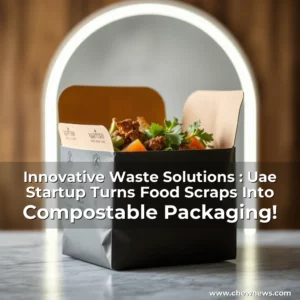
Biodegradable packaging materials align with sustainability goals while maintaining freshness guarantees traditionally provided by plastic containers. Innovations continue pushing boundaries toward greener alternatives.
These developments indicate an exciting future where technology enhances culinary possibilities rather than replacing human creativity entirely. The intersection of innovation and tradition promises continual evolution in how we interact with food.
Conclusion
Cooking encompasses far more than simply following recipes; it represents a dynamic interplay between science, culture, and personal expression. Every decision made in the kitchen affects not only flavor but also nutritional value and environmental impact.
Whether experimenting with avant-garde techniques or preserving family heirloom recipes, there’s always room for growth and discovery. Embracing diverse approaches keeps the culinary journey endlessly intriguing and rewarding.

news is a contributor at ChewNews. We are committed to providing well-researched, accurate, and valuable content to our readers.