The Art of Slow Cooking: Transforming Simple Ingredients into Culinary Masterpieces
The Art of Slow Cooking: Transforming Simple Ingredients into Culinary Masterpieces
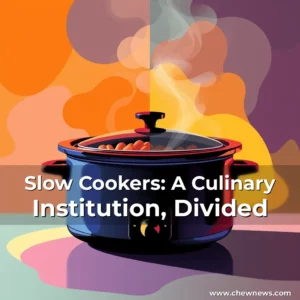
In an era where convenience often takes precedence over quality, slow cooking emerges as a powerful counterpoint—a method that transforms simple ingredients into richly flavored dishes through time and patience. This ancient technique has seen a resurgence in modern kitchens, appealing to both novice cooks and seasoned chefs alike.
Slow cooking allows flavors to meld beautifully, creating depth that rushed meals simply cannot achieve. Whether using a Dutch oven, crockpot, or even a well-seasoned cast iron skillet, the result is consistently tender meats and vegetables infused with complex aromas.
The Science Behind Slow Cooking
Slow cooking relies on low temperatures sustained over long periods, which triggers chemical reactions within food that enhance taste and texture. Unlike high-heat methods that can char or toughen proteins, gentle heat allows collagen in meat to break down into gelatin, resulting in succulent textures.
This process also encourages the Maillard reaction to occur gradually rather than abruptly, ensuring that browning happens evenly without burning. As moisture evaporates slowly from the surface of foods, natural sugars caramelize subtly, adding layers of flavor complexity.
- Collagen breakdown: Connective tissues soften significantly when cooked below boiling point for extended durations, making tougher cuts of meat incredibly tender.
- Aroma development: Volatile compounds released during prolonged heating contribute to richer scent profiles, enhancing overall sensory experience.
Choosing Your Tools: Crockpots vs. Dutch Ovens
Selecting the right equipment plays a crucial role in mastering slow cooking techniques. While electric slow cookers offer unmatched ease-of-use, traditional stovetop Dutch ovens provide greater control over temperature fluctuations and searing capabilities.
Crockpots excel at maintaining consistent internal temperatures ideal for braises and stews but lack the ability to brown ingredients effectively before simmering them gently. Conversely, Dutch ovens allow for initial searing of meats before transitioning into slow-cooked environments.
Comparative Analysis of Cooking Methods
Data shows that meals prepared in Dutch ovens tend to have higher concentrations of umami-rich amino acids due to enhanced caramelization processes. A study published in Food Chemistry found these differences were statistically significant across various meat types tested.
However, energy consumption varies between devices—electric models generally use less power compared to gas stoves used with heavy-duty pots. Environmental considerations may influence consumer choice depending upon local utility costs and sustainability goals.
Elevating Flavor Profiles Through Ingredient Selection
The foundation of any great slow cooker recipe lies in selecting complementary ingredients that will harmonize beautifully under long exposure times. Fresh herbs, dried spices, and acidic elements such as tomatoes play pivotal roles in building multifaceted flavor dimensions.
Fruits like apples or pears add unexpected sweetness that balances savory components while citrus zest introduces brightness essential for preventing monotony in longer preparation cycles. Careful layering ensures no single component overwhelms others during gradual infusion phases.
- Herb integration: Thyme pairs exceptionally well with red wines; rosemary complements gamey proteins better than lighter fare options.
- Liquid balance: Maintaining appropriate liquid levels prevents drying out while allowing sufficient room for steam circulation necessary for proper doneness indicators.
Tips for Perfecting Time Management in Slow Cooking
Mastering timing nuances is key to achieving optimal results without overcooking delicate items. Understanding how different proteins respond uniquely to prolonged exposure helps determine precise start windows relative to desired serving schedules.
To avoid undercooked center pieces when preparing whole birds or roasts, consider employing indirect heat sources initially then shifting towards direct contact once outer layers begin setting properly. Monitoring internal thermometer readings provides reliable guidance regarding readiness assessments.
Health Benefits of Slow Cooked Meals
Beyond its gastronomic appeal, slow cooking offers numerous health advantages stemming from reduced need for added fats and preservatives commonly associated with quicker meal preparations. The low-temperature environment minimizes nutrient degradation typically observed in flash-frying scenarios.
Studies indicate that certain antioxidants become more bioavailable after being subjected to lengthy simmering sessions. For instance, lycopene concentration increases notably in tomato-based sauces processed via slow cooking methodologies.
- Nutrient preservation: Vitamins B-complex remain stable under controlled thermal conditions unlike those encountered during rapid steaming procedures.
- Digestibility improvements: Softened fibers make plant matter easier to digest thereby supporting gastrointestinal wellness especially among elderly populations.
Cultural Significance & Global Variations of Slow Cooking Techniques
Across cultures worldwide, variations exist reflecting regional preferences shaped by available resources and historical influences. From Moroccan tagines to Japanese nabe broths, each tradition showcases distinct approaches rooted deeply within their respective culinary heritages.
These global interpretations highlight not only diverse ingredient selections but also innovative uses of earthenware vessels designed specifically for retaining warmth efficiently over extended periods. Such adaptations underscore humanity’s enduring quest for flavorful sustenance regardless of geographical boundaries.
- Moroccan Influence: Tagine cooking utilizes conical clay pots sealed tightly around lid edges forming vacuum-like effects beneficial for preserving juices naturally present within meats.
- Japanese Nabe Tradition: Utilizing wooden ladles dipped periodically into broth enables continuous tasting adjustments ensuring perfect seasoning equilibrium throughout entire service duration.
Modern Innovations Enhancing Traditional Practices
Technological advancements continue redefining possibilities surrounding conventional slow cooking practices. Smart appliances equipped with Wi-Fi connectivity now enable remote monitoring functionalities previously unimaginable even decades ago.
Some contemporary units feature programmable timers capable of adjusting settings based upon ambient kitchen temperatures automatically detected sensors embedded inside housing structures themselves. These features cater particularly well toward busy professionals seeking flexibility amidst demanding lifestyles.
- IoT Integration: Users receive notifications via mobile apps indicating completion status reducing risk factors related to forgetting active appliances left unattended overnight.
- Energy Efficiency Ratings: Newer generations boast improved insulation properties decreasing electricity bills substantially compared against older counterparts lacking similar technological enhancements.
Common Pitfalls to Avoid When Embarking On Slow Cooking Adventures
Newcomers often overlook fundamental principles governing successful outcomes leading sometimes frustrating experiences marred by dryness issues or bland flavor outputs. Proper prepping steps ensure every element contributes positively toward final product satisfaction levels.
Overloading containers beyond recommended capacities inhibits adequate air circulation required for effective evaporation rates critical during early stages of cooking cycle initiation sequences. Similarly, neglecting periodic stirring actions might lead uneven distribution patterns affecting uniformity expectations post-preparation periods.
- Proper Layering: Begin with solid components followed by liquids last so heavier materials settle appropriately beneath lighter ones avoiding potential floating problems later on.
- Temperature Checks: Always verify appliance calibration accuracy prior commencing operations since inaccurate readings could compromise intended outcome integrity severely.
Conclusion
Slow cooking stands apart not merely because it produces delicious meals but also due to its capacity fostering deeper connections between individuals united through shared dining experiences centered around carefully crafted recipes passed down generations worthily.
By embracing this age-old practice anew today, we honor our ancestors’ wisdom while simultaneously equipping ourselves with practical knowledge applicable daily life situations requiring thoughtful approach rather than haste driven solutions.

news is a contributor at ChewNews. We are committed to providing well-researched, accurate, and valuable content to our readers.