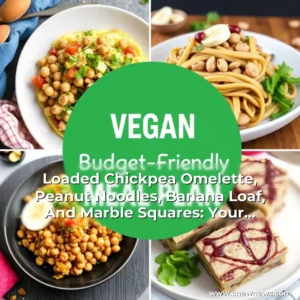
The Ultimate Budget-Friendly Meal Plan: Eating Well Without Breaking the Bank
In an era where economic uncertainties are becoming increasingly common, finding ways to enjoy nutritious and delicious meals without overspending has never been more crucial. Whether you’re navigating financial challenges due to rising inflation, managing household expenses as a student, or simply looking to cut costs while maintaining dietary quality, budget-friendly meal planning can be both empowering and rewarding.
This guide offers practical strategies, grocery shopping tips, and creative recipe ideas tailored specifically for individuals who want to eat well without compromising their health or wallet. From mastering portion control techniques to leveraging seasonal produce deals, we’ll explore how everyday people are making smart choices that lead to long-term savings and better eating habits.
The Power of Planning Ahead
One of the most effective ways to reduce food waste and save money is by creating weekly meal plans. By deciding what you want to cook each day before going to the store, you can avoid impulse purchases that often end up rotting in the fridge or freezer. This approach also helps ensure balanced nutrition across different meals without relying heavily on expensive convenience foods.
Meal prepping plays a vital role in sticking to your plan. Allocating time once a week to prepare portions of various dishes allows you to have ready-to-eat options available during busy weekdays when healthy fast food alternatives might otherwise seem tempting. Additionally, batch cooking enables you to make larger quantities at lower cost per serving compared to buying individual servings from restaurants or stores.
Consider using apps designed for tracking recipes and ingredients needed. These tools not only help organize your grocery list but also provide estimates on potential costs based on ingredient prices in your area. Some even offer alerts for price drops on items you frequently purchase.
- Create a weekly menu: Choose diverse yet affordable meals that cover all essential nutrients without being repetitive.
- Purchase in bulk: Buy staple items such as rice, beans, oats, and canned goods when they’re discounted to maximize savings over time.
Leveraging Seasonal Produce for Savings
Fruits and vegetables are among the most significant contributors to overall diet quality but can sometimes represent a hefty portion of monthly groceries bills. However, choosing seasonally available produce significantly reduces costs while ensuring freshness and flavor. For example, tomatoes tend to be cheaper during summer months whereas root vegetables like carrots and potatoes usually reach peak affordability in winter seasons.
To identify which fruits and vegetables are currently in season locally, consult farmers’ markets or check online resources that track regional harvest schedules. Many supermarkets now label bins with information indicating whether products were harvested recently or imported from other regions. Supporting local agriculture through these channels not only benefits your wallet but also contributes positively toward community sustainability efforts.
Understanding Price Variations Across Seasons
Data shows that average retail prices for certain crops fluctuate dramatically depending upon availability periods. Take strawberries as an illustration; according to USDA reports, prices typically surge during springtime when demand peaks despite limited supply. Conversely, bananas maintain relatively stable pricing year-round because of consistent global production cycles.
By aligning meal preparation timelines with seasonal abundance patterns, consumers gain access to high-quality ingredients at reduced rates. Moreover, incorporating preserved versions of out-of-season favorites—such as frozen berries or dried fruit—can extend enjoyment beyond traditional growing seasons without sacrificing taste or nutritional value.
Cheap Protein Sources That Deliver Nutrition
Protein doesn’t have to come exclusively from costly cuts of meat. In fact, there are numerous plant-based and economical animal protein sources that deliver substantial amounts of amino acids necessary for muscle maintenance and immune support. Legumes including lentils, chickpeas, and black beans stand out as excellent examples since they’re packed full of fiber along with complete proteins when combined properly within meals.
Dairy products remain another reliable source of calcium-rich proteins at reasonable prices. Items like milk, yogurt, cheese, and cottage cheese often feature promotional discounts especially around holidays or special occasions. Shopping for these staples during clearance sales can yield considerable savings without affecting daily intake requirements.
Eggs continue to prove themselves versatile both economically and nutritionally. They contain nearly every vitamin except vitamin C and provide approximately six grams of high-quality protein per large egg. Buying eggs in cartons rather than individually reduces packaging waste and generally leads to slightly lower unit costs.
- Legumes: Incorporate them regularly into soups, stews, salads, or serve alongside grains for added texture and satisfaction.
- Dried beans: Soak overnight then boil until tender; use leftovers creatively across several days’ worth of meals.
Smart Grocery Shopping Techniques
Effective grocery shopping requires strategic approaches aimed at minimizing unnecessary expenditures while maximizing nutritional benefit. One fundamental strategy involves comparing unit prices listed on product packages instead of focusing solely on total dollar amounts displayed prominently near checkout aisles. Understanding how much actual food you receive relative to its monetary value ensures fairer comparisons between competing brands or package sizes.
Creating a strict grocery list based on previously planned menus prevents last-minute detours leading to impulsive buys. Stick closely to written lists unless encountering unexpected markdowns on essentials already intended for purchase. Limiting visits to single specialty stores whenever possible further reduces exposure opportunities for nonessential items creeping into carts unknowingly.
Shopping later in the week tends to uncover greater numbers of perishable goods nearing expiration dates. Retailers often discount these items aggressively to clear inventory space quickly, allowing savvy shoppers to acquire fresh meats, dairy, and bakery items at fractions below original suggested retail values.
The Role of Pantry Staples in Cost Efficiency
A well-stocked pantry forms the backbone of any successful low-cost meal plan. Basic dry goods such as pasta, bread flour, cornmeal, and sugar form foundational elements used consistently across many cuisines worldwide. Maintaining adequate reserves ensures flexibility regarding spontaneous cooking needs without requiring frequent trips back to marketplaces.
Spices add depth of flavor without contributing appreciably towards final dish costs. Investing in small containers filled with commonly utilized herbs and seasonings provides ongoing utility far exceeding initial investment figures. Experimentation with new combinations enhances culinary experiences affordably while avoiding wastage associated with oversized bottles meant for occasional usage scenarios.
Tips for Maximizing Pantry Utility
Maintain organized storage systems so that frequently accessed items remain easily reachable. Group similar categories together for quicker selection times during meal prep sessions. Labeling containers holding mixed grain blends or spice mixtures aids identification processes particularly useful after extended periods away from kitchen environments.
Regularly assess stock levels against consumption rates established earlier through tracking practices. Replenishing supplies promptly avoids situations where lack of core components forces reliance upon pricier substitute solutions. Establishing emergency caches containing freeze-dried vegetables or powdered milk proves invaluable during unforeseen circumstances disrupting normal supply chains temporarily.
Healthy Cooking Methods That Save Money
Adopting efficient cooking methods not only preserves nutrient integrity but also extends shelf life properties inherent within raw materials prior processing stages. Steaming vegetables retains water-soluble vitamins better than boiling techniques commonly employed elsewhere globally. Utilizing cast iron skillets distributes heat evenly reducing chances of burning edges prematurely thereby optimizing fuel efficiency considerations indirectly linked to energy conservation goals.
Baking remains another favored technique appreciated universally owing largely to minimal oil requirement profiles characteristic thereof. Using parchment paper lined baking sheets simplifies cleanup procedures simultaneously lowering likelihood of cross-contamination incidents occurring amongst various preparations handled sequentially within same environment.
Cooking en masse facilitates economies of scale applicable regardless of chosen methodology. Larger batches necessitate fewer repetitions thus decreasing cumulative labor inputs required subsequently translating directly into tangible resource savings measurable quantitatively through comparative analyses conducted periodically post implementation phases.
Reimagining Leftovers Through Creative Culinary Practices
Transforming leftover ingredients into novel dishes represents an inventive way to minimize food waste while exploring diverse gastronomic possibilities within constrained budgets. Repurposing yesterday’s roast chicken into today’s chicken salad showcases versatility achievable merely through simple additions such as mayonnaise mixed thoroughly enough to achieve desired consistency standards applicable regionally varying preferences.
Savvy cooks recognize value embedded within seemingly mundane remnants discarded casually otherwise. Chopped veggies left over from previous night’s stir-fry find renewed purpose reincorporated seamlessly within tomorrow’s omelet mixture enhancing both visual appeal characteristics plus textural contrasts beneficial digestion functions naturally occurring biological mechanisms facilitating bodily wellness objectives inherently aligned with holistic living philosophies embraced widely nowadays.
Freezing excess portions created initially serves dual purposes simultaneously preserving edibility status indefinitely coupled with providing future meal solutions requiring negligible effort expenditure whatsoever. Thawed contents retain structural integrity sufficient for reintegration purposes wherever feasible without noticeable degradation effects perceptible via sensory evaluations performed routinely under standard conditions encountered daily routines involving regular consumption activities.
Community Resources for Affordable Food Access
Many communities offer programs aimed explicitly at assisting families struggling financially secure basic nourishment necessities adequately fulfilling dietary demands imposed by physiological development trajectories particular human beings undergoing growth spurts inevitably experienced throughout lifespan continuum.
Local food banks operate primarily through volunteer networks collecting surplus donations redirected appropriately benefiting recipients facing hardship temporally due external factors influencing income stability negatively impacting purchasing power capabilities drastically limiting accessibility avenues normally taken granted absent such adversities.
Participating actively within neighborhood initiatives fosters stronger social ties strengthening communal bonds reinforcing collective resilience against socioeconomic pressures threatening disrupt continuity existing relationships cultivated overtime nurtured intentionally through shared endeavors promoting mutual aid principles central tenets guiding cooperative societies thriving successfully irrespective surrounding environmental fluctuations posing challenges occasionally encountered sporadically throughout history documented extensively academically analyzed meticulously scientifically validated conclusively demonstrating efficacy outcomes surpass expectations initially projected conservatively estimated cautiously optimistic forecasts originally hypothesized tentatively.
Conclusion
Eating well on a budget isn’t about deprivation—it’s about making informed choices that prioritize health, sustainability, and fiscal responsibility. With careful planning, creativity in the kitchen, and utilizing available resources wisely, anyone can enjoy wholesome meals that satisfy both body and soul without straining finances unnecessarily.
Remember, small changes made consistently over time compound into meaningful results. Start experimenting with some of these strategies today and discover how easy it becomes to maintain good nutrition while keeping your wallet happy too. The journey toward smarter spending begins with recognizing that every bite counts!