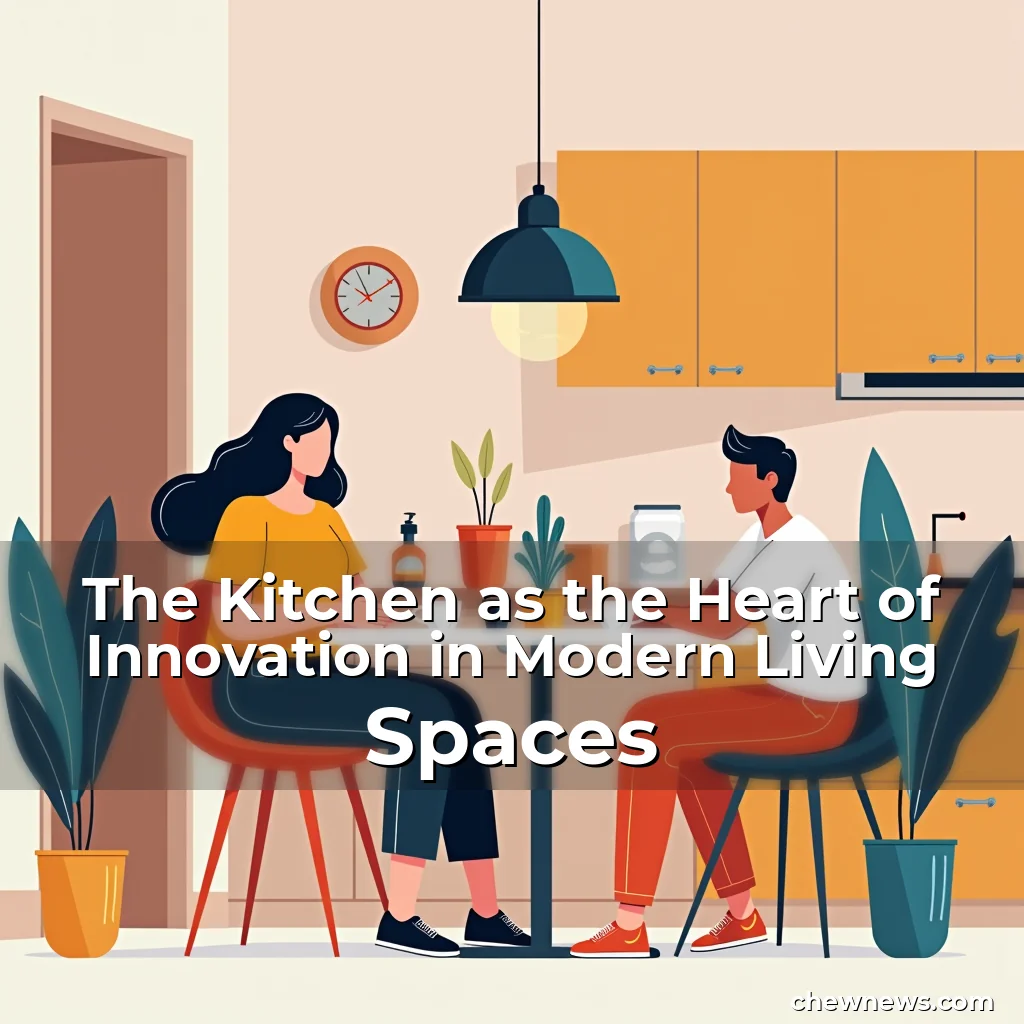
The Kitchen as the Heart of Innovation in Modern Living Spaces
In an era where technology and sustainability intersect with daily life, the modern kitchen has transformed from a mere functional space into a dynamic hub of innovation. This evolution reflects not only advancements in design but also a growing emphasis on health, efficiency, and connectivity.
Kitchens are now at the forefront of smart home integration, blending convenience with cutting-edge features that redefine how we cook, entertain, and interact within our homes. As these spaces evolve, they become central to both personal well-being and community engagement.
Smart Kitchens: Where Technology Meets Culinary Artistry
The rise of smart kitchens represents a significant shift towards integrating advanced technologies into everyday cooking experiences. These innovations include internet-connected appliances, voice-controlled systems, and AI-driven assistants that streamline meal preparation and management.
Modern ovens can preheat automatically based on recipe requirements, while refrigerators track inventory levels and suggest recipes tailored to available ingredients. Such capabilities enhance user experience by reducing waste and optimizing time spent in the kitchen.
- Connected Appliances: Smart fridges and ovens communicate seamlessly with mobile devices, allowing users to monitor food freshness remotely or adjust cooking settings via smartphone apps.
- Voice Control Integration: Voice-activated controls enable hands-free operation, making multitasking easier during busy meal times or when hosting guests.
Sustainable Practices Redefining Kitchen Design
Awareness surrounding environmental impact has led many homeowners to prioritize eco-friendly materials and energy-efficient appliances when redesigning their kitchens. Sustainable choices contribute significantly to lowering carbon footprints without compromising aesthetic appeal.
From recycled countertops made from post-consumer materials to energy-star-rated dishwashers that use less water and electricity, each component plays a role in promoting green living practices within domestic environments.
Eco-Friendly Innovations in Material Selection
The selection of sustainable materials is crucial in creating environmentally conscious kitchens. Bamboo flooring offers durability along with rapid regrowth rates compared to traditional hardwood options. Recycled glass tiles provide vibrant coloration while minimizing landfill contributions through material reuse.
Certifications such as FSC (Forest Stewardship Council) ensure wood products come from responsibly managed forests. Similarly, LEED certification standards guide architects toward incorporating renewable resources effectively into new construction projects involving kitchen areas.
Health-Conscious Cooking Environments
With rising global awareness regarding nutrition and wellness, contemporary kitchens increasingly support healthier lifestyles through specialized layouts and equipment designed specifically for dietary needs.
Integrated salad bars encourage fresh eating habits by providing easy access to produce storage units near prep stations. Non-stick cookware reduces reliance on unhealthy oils used traditionally during frying processes.
Design Trends Shaping Contemporary Kitchens
Current interior design trends emphasize open-plan configurations that merge dining rooms with kitchen spaces, fostering better social interaction among household members or visitors alike.
Minimalist aesthetics continue dominating modern décor preferences; clean lines paired with neutral palettes create serene atmospheres conducive to relaxation after long days outside work.
Color Psychology in Kitchen Interior Choices
Selecting appropriate colors influences mood and functionality within any given room including kitchens. Warm tones like yellows evoke feelings of happiness whereas cooler blues promote calmness useful for concentration tasks involved in cooking complex meals.
Neutral shades offer versatility allowing future renovations easier implementation since they don’t tie heavily into particular style eras unlike bold accent walls which might require more extensive changes later on.
Community Engagement Through Shared Kitchen Spaces
Urban developments increasingly feature shared kitchen facilities aimed at encouraging neighborly interactions and collaborative culinary endeavors. These communal areas serve dual purposes—providing essential amenities alongside building stronger local networks.
In apartment complexes equipped with common kitchens, residents gain opportunities to exchange cooking tips, share surplus ingredients, or even organize group dinners thereby enhancing sense belonging amongst diverse populations residing together under same roof so-to-speak.
Futuristic Concepts Influencing Next Generation Kitchen Designs
Looking ahead, emerging technologies promise further revolutionizing what constitutes typical kitchen setups today. Robotics may soon assist with repetitive chores freeing up human effort focused instead upon creative aspects related solely to preparing gourmet dishes.
Augmented reality interfaces could project virtual chefs onto surfaces guiding users step-by-step through complicated recipes ensuring accurate execution every single attempt regardless skill level possessed beforehand.
Preserving Cultural Heritage Within Evolving Kitchen Spaces
Despite technological advances shaping present-day kitchens globally, cultural traditions remain integral components defining regional identities associated strongly with specific cuisines originating from various parts world wide.
Traditional methods passed down generations often coexist harmoniously alongside modern conveniences offering balanced approach respecting past while embracing progress simultaneously. For example, clay stoves still utilized certain regions despite availability electric ranges due preservation values attached ancestral techniques.
Accessibility Features Enhancing Inclusive Kitchen Experiences
Ensuring accessibility remains vital consideration especially concerning individuals facing physical limitations requiring modified layouts accommodate mobility challenges safely efficiently.
Raised countertops facilitate reaching items comfortably without straining backs while pull-out shelves grant visibility inside cabinets eliminating need bend over repeatedly searching misplaced objects thus improving overall usability dramatically.
Conclusion
The transformation of kitchens continues unabated driven largely by continuous innovation across multiple domains spanning technological advancement sustainability initiatives health consciousness inclusive design principles etcetera.
As we move forward embracing upcoming developments poised reshaping familiar landscapes once known simply place prepare nourishment now evolving multifaceted centers activity reflection connection wellbeing entire communities alike.